The Santons of Provence
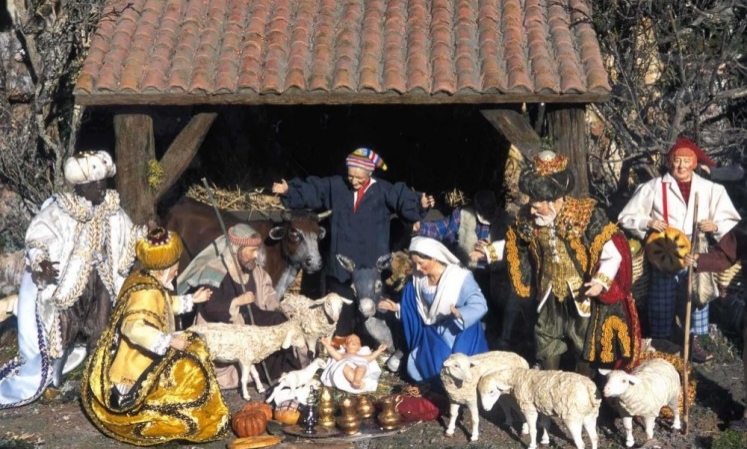
Figurines depicting the birth of Christ have been part of Christmas since 1223, when St Francis of Assisi re-created the Nativity scene with an ox, an ass and a manger, in the Italian hill town of Greccio.
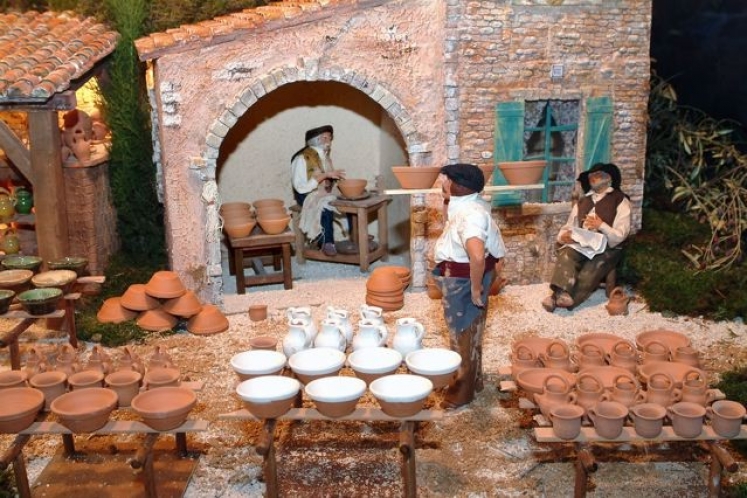
The Santons of Provence date back to the 17th century. When churches were closed by the resolutely anti-clerical, anti-religion, French Revolutionary authorities at the end of the 18th century, people began to make the Nativity figurines at home. They grew in popularity. Ceramicists began making them in fired clay. Santons came to reflect and typify Provençal life.
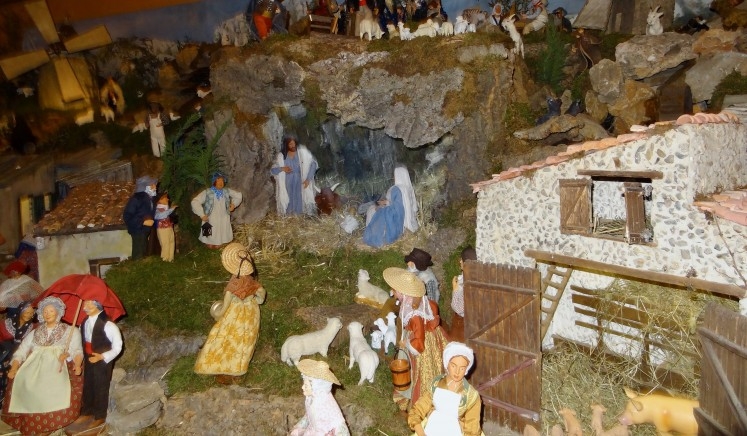
The figurines are not mass-produced, like the commercial Christmas artefacts which appear in the shops as early as October. Their charm lies in the faithful depiction of mostly 19th century provençal life and their mixture of the sacred and the secular. The Holy Family, the shepherds, the Wise Men, mingle with local inhabitants. Mary, Joseph and the infant Jesus are not centre-stage, but part of a wider depiction of each community, often complete with town hall, church, bakery and bar.
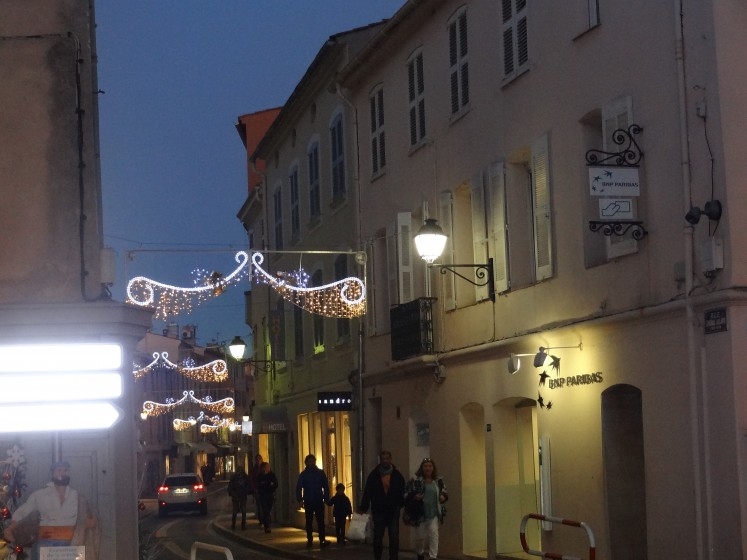
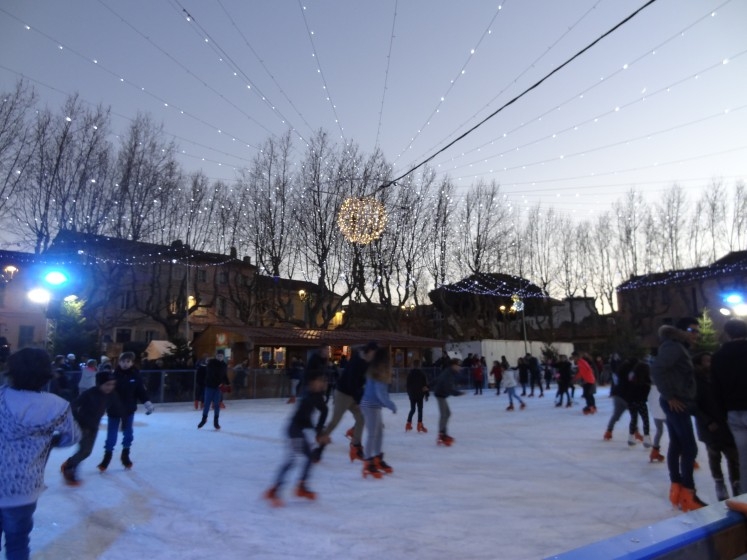
The Santons reproduced here are in the Miséricorde Church in St Tropez. A resort near-impossible to access (narrow road, nose to tail cars) and navigate (it's stuffed with tourists) in the summer months, but in winter, with fewer tourists, delightfully restored to the locals - twinkling with lights, filled with the scent of mulled wine and the sound of music from the skating rink.
← Back